Listen to this blog ...
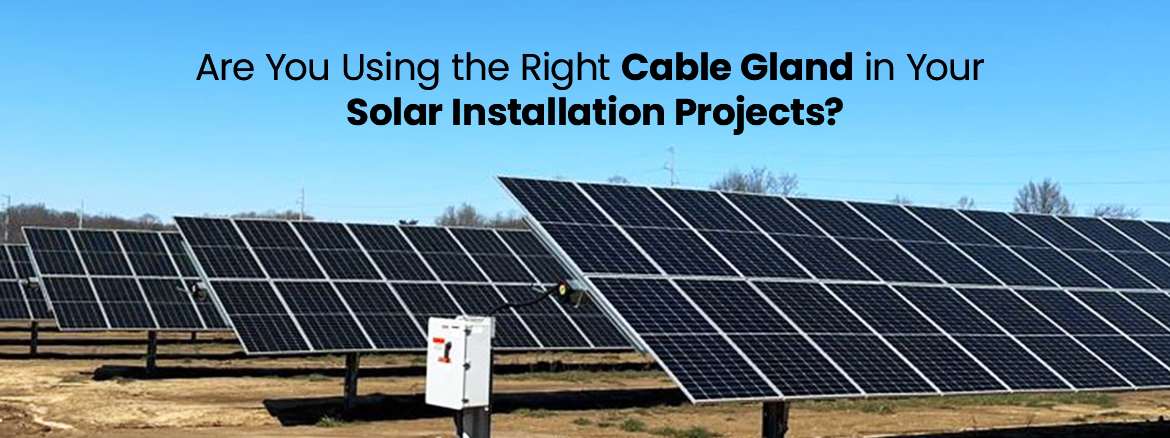
Solar installations are expected to last 25+ years. But one of the most overlooked reasons for failure? Cable glands.
Yes, that small connector between your solar cables and junction box can be the difference between long-term reliability and water ingress, short circuits, or even fire risks.
Whether you’re working on a rooftop, utility-scale project, or an off-grid setup, selecting the right cable gland isn’t just a technical detail, it’s a crucial safety and performance choice.
Table of Contents
- Why Cable Glands Matter in Solar Projects
- Common Mistakes in Cable Gland Selection
- How to Choose the Right Cable Gland
- IP Ratings & UV Resistance: What You Need to Know
- Installation Tips to Avoid Long-Term Issues
- Conclusion
Why Cable Glands Matter in Solar Projects
Cable glands serve as the first line of defense against environmental hazards. They seal the cable entry points in combiner boxes, inverters and junction enclosures, keeping out dust, moisture and UV rays.
In solar projects, these conditions are amplified: harsh weather, high temperatures and continuous exposure to UV radiation can degrade cheap or poorly installed glands quickly.
A compromised gland can cause:
- Water ingress inside junction boxes
- Corrosion of terminals
- Voltage loss or power failures
- Increased fire risks
And once the gland fails, replacing it often means system downtime, something no project manager wants.
If you’re sourcing for large-scale solar projects, consider speaking to a trusted cable gland or cable tie mounts supplier like Novoflex that stocks UV-resistant, IP-certified cable glands and wire holding clips for proper strain relief and cable management.
Common Mistakes in Cable Gland Selection
Even experienced installers can overlook key specs. Here are a few common mistakes:
- Using indoor-rated glands outdoors: They crack and degrade under sunlight.
- Wrong material choice: Always use UV-stabilised plastic or polyamide glands for outdoor solar applications, as they resist sun exposure, corrosion and harsh weather conditions.
- Poor cable size match: A loose gland won’t seal and an overtight one may damage the cable jacket.
- Skipping strain relief: Without proper cable support using wire tie mounts or plastic wire clips, even a good gland can fail under pull or tension.
How to Choose the Right Cable Gland
Choosing the right cable gland isn’t just about fit, it’s about long-term performance and safety in demanding environments like solar installations or industrial setups. Here’s what you need to check before finalising your cable gland:
- Material: For solar applications, polyamide or UV-stabilised plastic cable glands are ideal due to their resistance to sun exposure. In highly corrosive or industrial zones, go for stainless steel variants from a trusted cable gland manufacturer.
- Ingress Protection (IP) Rating: Always look for IP68 or higher for outdoor projects. This ensures dust-tightness and water resistance even during heavy rain or high-humidity conditions.
- Temperature Range: Rooftops and solar farms can get extremely hot during the day. Make sure the gland you choose can handle high ambient temperatures without degradation.
- Thread Type: Whether it’s pg gland, NPT, or metric threading, match it with your combiner box or solar panel entry points for a proper seal and installation.
- Cable Compatibility: Don’t guess; check your cable diameter and insulation type and ensure the gland is compatible. A mismatched gland can compromise waterproofing and strain relief.
To improve the overall setup and avoid stress on wires and terminals, pair your gland with secure cable zip tie mounts and electrical wire holder clamps. These help distribute tension evenly and reduce wear over time.
IP Ratings & UV Resistance: What You Need to Know
Not all IP-rated glands are equal. For solar, you should ideally go for:
- IP67: Water-resistant for temporary immersion
- IP68: Long-term outdoor use and dustproof
- IP69K: High-pressure water jets, ideal for heavy-duty cleaning environments
Also, UV resistance is non-negotiable. Without it, the gland will crack, let moisture in and eventually fail, no matter the IP rating. Always look for UV-tested glands, especially for projects in high-sun regions.
Installation Tips to Avoid Long-Term Issues
Here’s how to make sure even the best cable gland performs as expected:
- Avoid overtightening: It can crack the gland or damage the cable jacket
- Use locknuts: To secure the gland from rotating inside plastic panels
- Secure cables nearby: Use wire tie mounts or plastic cable clamps to reduce stress and accidental pulls
- Inspect regularly: Cracks, discoloration or movement around the gland are early signs of failure
Need high-durability cable glands, clips and accessories for solar use? Reach out to a supplier who understands the rigours of solar-grade installations.
Trusted Suppliers for Long-Term Solar Reliability
When it comes to solar installations, the choice of components can make or break the system’s long-term performance. Working with suppliers who specialise in UV-resistant, IP-certified cable glands, along with complementary accessories like wire holding clips and cable tie mounts, ensures that cables stay secure, strain-free and well-protected against harsh weather conditions.
Novoflex, a trusted manufacturer of high-quality cable glands and mounting solutions, offers a range of products designed specifically for demanding solar environments. Choosing components from Novoflex helps prevent costly downtime, reduces maintenance needs and guarantees that your solar setup performs efficiently for decades.
Looking for a reliable cable glands manufacturer? Choose Novoflex for UV-resistant, IP-certified solutions built for extreme temperatures.
Conclusion
In the fast-growing world of solar, reliability is everything. While solar panels and inverters get all the attention, it’s often the small components like cable glands that determine how long a system performs at its peak.
Choosing the right cable gland means understanding material compatibility, ingress protection, UV exposure and installation conditions. Combined with quality cable zip tie mounts, plastic wire clips, electrical wire holder clamps and wire connector clips, these choices protect not just your cables but your entire energy system.
In short, don’t let a minor mistake with a gland lead to a major system failure. Get it right and your solar project stays efficient, safe and maintenance-free for years to come.