Most of us probably associate cable ties, or more specifically polypropylene cable ties, with what they are used for: bundling wires together and keeping things organized. What seems like a pretty simple tool has a lot more stories it could tell. Through working experiences with different fastening solutions, we have discovered that those humble polypropylene cable ties can be regarded as the unsung heroes of almost every industry. Their strength, durability, and adaptability make them irreplaceable, not only in electronics or electrical work but across a wide range of applications. In this blog, we will be talking about all the ways that polypropylene cable ties are used in some pretty unexpected ways, so they prove to be a lot more than “zip ties.”
Why Polypropylene?
Before getting into all the applications, let’s get started on why polypropylene is the big game-changer in the cable tie world. Polypropylene is a lightweight, high-strength plastic that is resistant to moisture, chemicals, and UV rays, thereby perfectly suitable both indoors and outdoors. Its good dielectric properties, or it doesn’t conduct electricity, allow cable ties to be used within electrical work. However, its chemical resistance, flexibility, allows for applications well beyond the basics.
Applications of Polypropylene Cable ties
Industrial and Construction Applications
Polypropylene cable ties have somehow managed their way into some very odd uses in the construction world. For instance, I have seen them used to hold up rebar when concrete is being poured. Their strength withstood the weight and stress issues associated with construction while also proving chemical resistance, which ensured that they would not degrade over time due to harsh elements or the existence of materials around them.
Other materials that are good for managing and securing construction materials such as pipes, hoses, and temporary fencing can be managed and secured with cable ties. Because they are light in weight and easy to use, application can happen very quickly, thus helping to speed up work at site without sacrificing safety or organization. In fact, they sometimes apply to keep safety nets in place around scaffolding, hence providing a double layer of protection to workers on high-rise projects.
Agricultural Uses
Polypropylene cable ties are very useful tools for securing irrigation systems in agriculture. They possess resistance to UV properties and can therefore be used for long hours of sunlight without turning brittle or weakening their binding properties. They are used to secure hoses and pipes in fields, which are exposed to harsh weather each day.
Besides, farmers and greenhouse owners often apply them for plant training. Regardless of tomatoes or grapevines, the most suitable combination of strength and flexibility gives polypropylene cable ties an opportunity to keep plants in place while growing, causing no damage to them.
Automotive and Aviation Industries
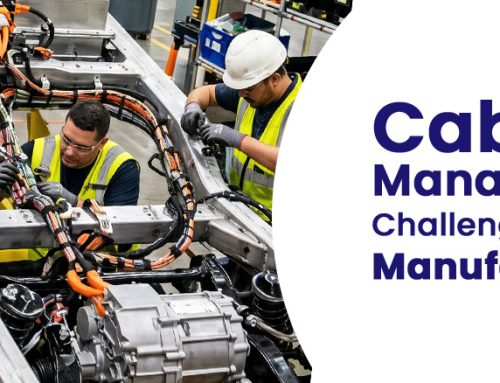
Did you know that polypropylene cable ties even have applications in the automotive and aviation industries? In cars, these tie up cables and hoses underneath the hood. Their resistance to oils, greases, and high temperatures in engine compartments makes them reliable for such applications. Cable ties play a huge role in aviation applications, securing parts within aircrafts when weight is a particularly pressing consideration. This makes them a top pick in preference for reduced weight while not compromising on structural strength. Some cable tie suppliers offer specific solutions for these Industry applications.
Creative and Mainstream Use
Besides use inside an industry, polypropylene cable ties have been applied in daily life for creative and practical solutions. We applied them to work on every kind of project that makes our house better, from improvement for self-improvement projects to decorations over the holidays. The strength it has when required and flexibility will make hanging lights, securing your garden fences, or doing some temporary fixes around the house by itself be excellent.
On a creative level, we’ve seen artists and designers use polypropylene cable ties in ways that result in art installations or in innovative pieces of furniture. Their ability to hold shapes and resist deformation lends themselves quite well to creative experimentation, showing that their versatility goes rather far beyond the mechanical.
Sustainability and Reusability
Another benefit of polypropylene cable ties is that they may be very sustainable in the future. What was classically perceived as a disposable item, reusable polypropylene cable ties are becoming increasingly popular. Such ties offer equal strength and stability to their disposable counter pieces but have an in-built release mechanism through which they can be used several times. This will prove particularly important for industries seeking to reduce waste but not at the expense of performance.
Conclusion
On the face of it, polypropylene cable ties are just the simple thing one needs. However, their adaptability level is impressive. Be they used to hold fast on critical items in the aviation industry, organizing irrigation systems on a farm, or helping with a DIY project back home, these ties make way beyond the act of bundling of cables. We have seen firsthand the most diverse applications for polypropylene cable ties, which are just as essential and thus necessary for industries and life in general.
Working with Novoflex, we’ve learned that something so small and so not in the way can be such a giant statement. So when you grab one of those cable ties, remember: it’s not just for cables anymore! Also finding reliable cable tie suppliers is important to ensure quality in the only that makes sense for your application.