Introduction:
Cable ties, also known as zip ties or wire ties, are simple yet versatile fasteners used in various industries and everyday applications. They play a crucial role in cable management, bundling wires, and securing objects. However, selecting the right cable ties for specific tasks is often overlooked. In this blog, we will delve into the importance of cable tie selection, exploring the factors to consider, the different types available, and the benefits of choosing the appropriate cable tie for your needs.
1. Application-specific considerations:
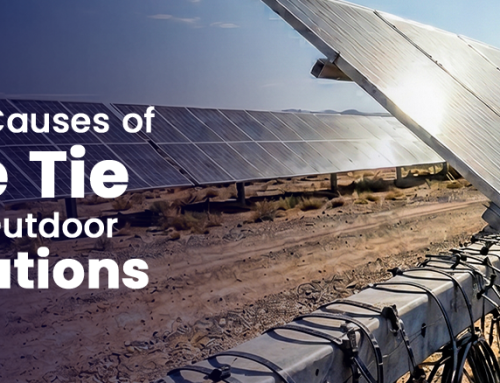
The first step in selecting the right cable tie is to understand the application requirements. Different environments and applications demand specific features. For instance, in high-temperature environments, heat-resistant cable ties should be chosen to prevent degradation and failure. Similarly, for outdoor use, UV-resistant ties are essential to withstand prolonged exposure to sunlight. Consider the weight and size of the items being secured. Heavy-duty cable ties with higher tensile strength are necessary for bundling larger cables or objects, while lightweight ties can suffice for smaller cables or temporary applications. Additionally, consider any specialized requirements such as chemical resistance, flame retardancy, or anti-static properties, based on the environment and materials involved.
2. Material selection:
Cable ties are available in various materials, each offering different properties. The most common materials include nylon, stainless steel, and Velcro. Nylon cable ties are widely used due to their excellent strength, durability, and affordability. Stainless steel ties are ideal for extreme environments or applications requiring superior strength and resistance to corrosion. Velcro ties offer reusable and adjustable options, suitable for situations that require frequent changes or adjustments. Carefully assess the properties of each material to ensure compatibility with your application. Consider factors such as temperature resistance, chemical compatibility, and durability to ensure the cable ties will perform reliably in the intended environment.
3. Safety and compliance:
Safety is paramount when selecting cable ties, especially in critical applications. Using inappropriate or substandard ties can lead to equipment damage, safety hazards, or non-compliance with industry standards. It is essential to choose cable ties that meet relevant safety regulations and industry standards, such as UL, RoHS, or MIL-SPEC certifications. Furthermore, consider the health and safety aspects for installation and maintenance personnel. Smooth-edge cable ties reduce the risk of injury from sharp edges during installation or accidental contact. Additionally, coloured ties or ties with identification tags can aid in proper cable routing and identification, improving maintenance efficiency.
4. Ease of installation and maintenance:
Efficient installation and maintenance processes are crucial, particularly in large-scale projects or complex systems. Selecting cable ties that are easy to use and install can save time, effort, and resources. Look for features such as a self-locking mechanism, which allows for quick and secure fastening without the need for additional tools. Consider cable ties with releasable or reusable capabilities, as they facilitate easier additions, modifications, or replacements. This feature can help minimize waste and reduce overall costs in situations where cables or objects frequently change or require adjustments.
Conclusion:
Cable tie selection is a critical aspect of cable management and securing objects. By understanding the specific requirements of an application, carefully considering materials, adhering to safety regulations, and prioritizing ease of installation and maintenance, one can ensure optimal performance and reliability. Making informed decisions about cable tie selection not only enhances cable management efficiency but also promotes safety, longevity, and compliance with industry standards. Remember, choosing the right cable tie may seem like a small detail, but it can have a significant impact on the overall effectiveness and longevity of your installations.